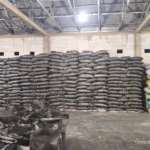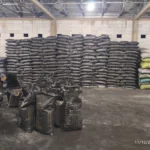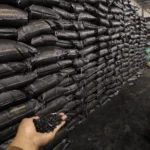
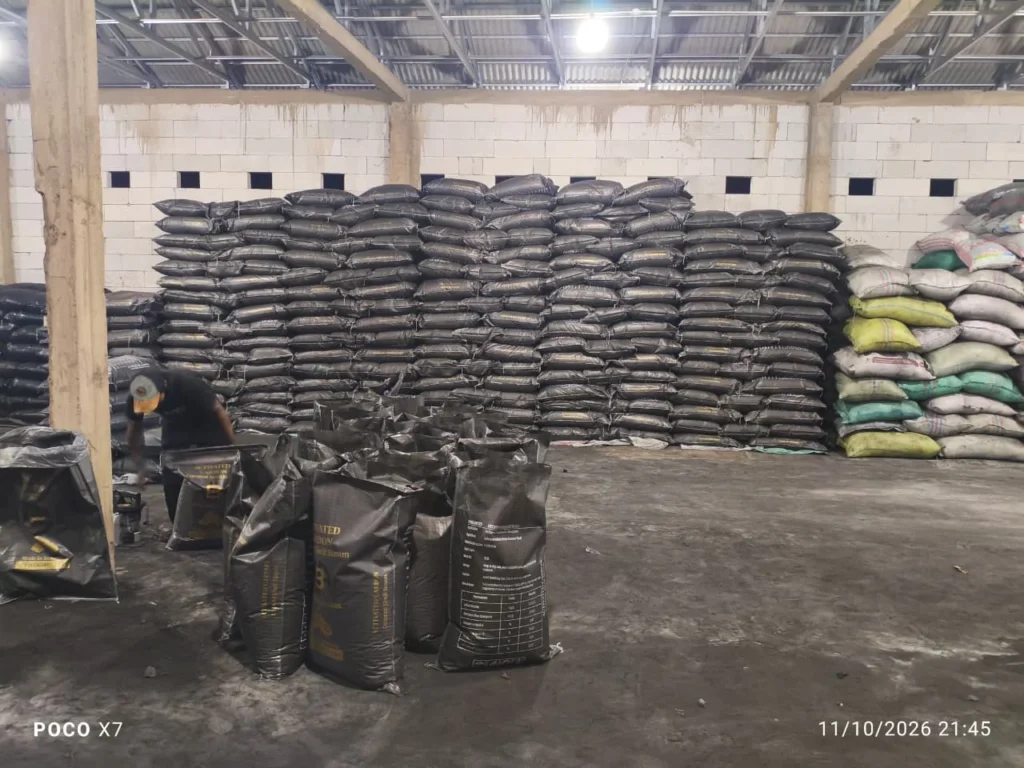
Coconut shell charcoal is a carbon-rich material produced from coconut shells. It is used in several applications, including charcoal-based products and as a raw material for further processing. For international buyers, understanding its characteristics, intended uses, and quality requirements is an important step when sourcing coconut shell charcoal from Indonesia.
Indonesia is a potential sourcing destination for coconut-based materials. However, product suitability depends on the material specifications, processing method, and requirements of each buyer.
What Is Coconut Shell Charcoal?
Coconut shell charcoal is made by heating coconut shells under controlled conditions with limited oxygen. This process converts the shells into charcoal while retaining carbon-rich material.
The resulting product can vary in size, moisture content, ash content, and other properties depending on the production process and handling methods. These characteristics should be assessed according to the intended application.
Common Uses of Coconut Shell Charcoal
1. Activated Carbon Production
Coconut shell charcoal can be used as a raw material for producing activated carbon. Additional processing is required to develop the porous structure and adsorption properties associated with activated carbon.
The suitability of coconut shell charcoal for this purpose depends on its characteristics and the requirements of the activation process.
2. Charcoal Briquette Manufacturing
Coconut shell charcoal may be processed into charcoal briquettes. The manufacturing process can involve crushing, mixing, shaping, and drying, depending on the production method.
Briquette quality depends on the raw material, formulation, production process, and final product specifications.
3. Other Charcoal Applications
Coconut shell charcoal may be used in other applications depending on its grade and physical properties. Buyers should identify the intended use before selecting a product, as material requirements can differ between applications.
What Determines Coconut Shell Charcoal Quality?
When evaluating coconut shell charcoal, buyers should consider several factors.
Moisture content
Moisture affects product weight, storage, and handling. Buyers should establish acceptable moisture requirements for their intended application.
Ash content
Ash content represents the inorganic residue remaining after combustion under specified test conditions. Its importance depends on the intended use and required product grade.
Particle size
Particle size can affect processing, handling, and suitability for downstream applications. The required size range should be agreed upon before purchasing.
Carbon content and other specifications
Relevant carbon-related parameters should be assessed using appropriate test methods. Buyers should request available technical data rather than relying on general descriptions.
Storage and packaging
Suitable packaging and dry storage conditions help protect the material during handling and transportation. Packaging requirements should be confirmed according to the shipment and destination.
Sourcing Coconut Shell Charcoal from Indonesia
When sourcing coconut shell charcoal from Indonesia, international buyers should compare suppliers based on product suitability, available specifications, consistency requirements, packaging, and supply arrangements.
Before placing an order, buyers should clarify the following:
- Intended application and required product grade
- Requested quantity and particle size
- Moisture and ash specifications, where relevant
- Available product documentation and testing information
- Packaging and storage requirements
- Delivery arrangements and applicable shipping terms
These checks help buyers determine whether a product meets their needs before committing to a purchase.
CV Jaya Berkah Java is a product supply and sourcing partner based in Central Java, Indonesia. The company supports business customers exploring product supply and sourcing requirements. Product specifications, quantities, and availability should be confirmed for each inquiry.
Frequently Asked Questions
What is coconut shell charcoal used for?
Common uses include charcoal briquette manufacturing and serving as a raw material for activated carbon production. Other applications depend on the product’s properties and grade.
Is coconut shell charcoal the same as activated carbon?
No. Coconut shell charcoal is a carbon-rich raw material, while activated carbon undergoes additional processing to develop adsorption properties for specific applications.
What should buyers check before purchasing coconut shell charcoal?
Buyers should check the intended application, particle size, moisture content, ash content, relevant technical specifications, packaging, and available documentation.
Why source coconut shell charcoal from Indonesia?
Indonesia is a potential sourcing destination for coconut-based materials. Buyers should evaluate individual suppliers based on verified product specifications, availability, and supply requirements rather than country of origin alone.
Conclusion
Coconut shell charcoal has applications in charcoal briquette manufacturing and activated carbon production. Its suitability depends on material properties, processing requirements, and the intended use.
For international businesses considering coconut shell charcoal from Indonesia, reviewing product specifications and confirming supply arrangements are important steps toward making an informed sourcing decision.